
ESSENTIAL NEEDS
Five Pillars.
Support shaped
around each family.
Our Social Support Model connects relationships, practical resources, and local services to help families build stability.
A plan built with the family.
Families need reliable relationships and practical resources to care for their children. Overture’s Social Support Model brings these together through five connected pillars: Empowerment, Education, Nutrition, Healthcare, and Infrastructure. Each contributes to safer, more stable family and community life.
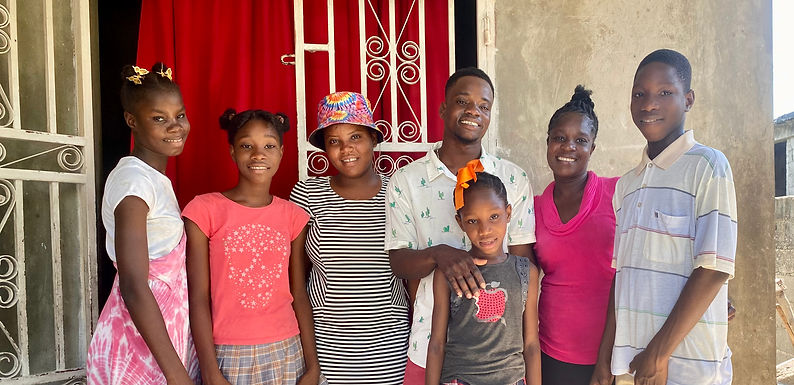
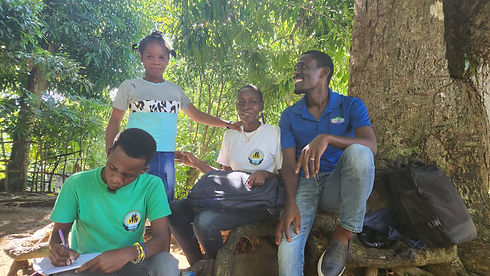
Our Haitian social workers listen, assess priorities, and develop goals with families. Working with local leaders and service providers, they coordinate support that responds to identified needs and available resources. Families participate in planning and reviewing their progress.
Click on the icons below to learn more about each essential pillar.

Counseling, caregiver education, practical skills, and shared goal setting help families make informed decisions and build on their strengths. This pillar also supports opportunities to strengthen livelihoods and community leadership.

Access to learning helps children develop their abilities and supports the family’s hopes for their future. Scholarships, caregiver and teacher education, and skills development can address different learning needs across generations.

Dependable nourishment supports health, development, and learning. Targeted food assistance and connections to local food resources help families respond to immediate pressures. Diri Lavi! and local farming initiatives also connect nutrition with community participation and opportunity.

Physical and emotional wellbeing affect the whole household. Our team helps families connect with appropriate care and navigate support needs. Depending on the case, this can include coordination around medical treatment, medications, psychosocial services, or specialized referrals.

Safer homes and functioning community spaces help make family life and essential services possible. Housing repairs, schools, and community centers respond to different needs. Dome Community Centers are one example of shared infrastructure that supports community activities and preparedness.

Working together over time.
The pillars reinforce one another. A child’s school participation may depend on nourishment, health, and support at home. Follow-up helps us understand what is changing and adjust the plan. The mix of services varies by family; the model guides coordination rather than a fixed package of assistance.
